5 Beginner Roller Skating Mistakes Keeping You Stuck (And How to Fix Them)
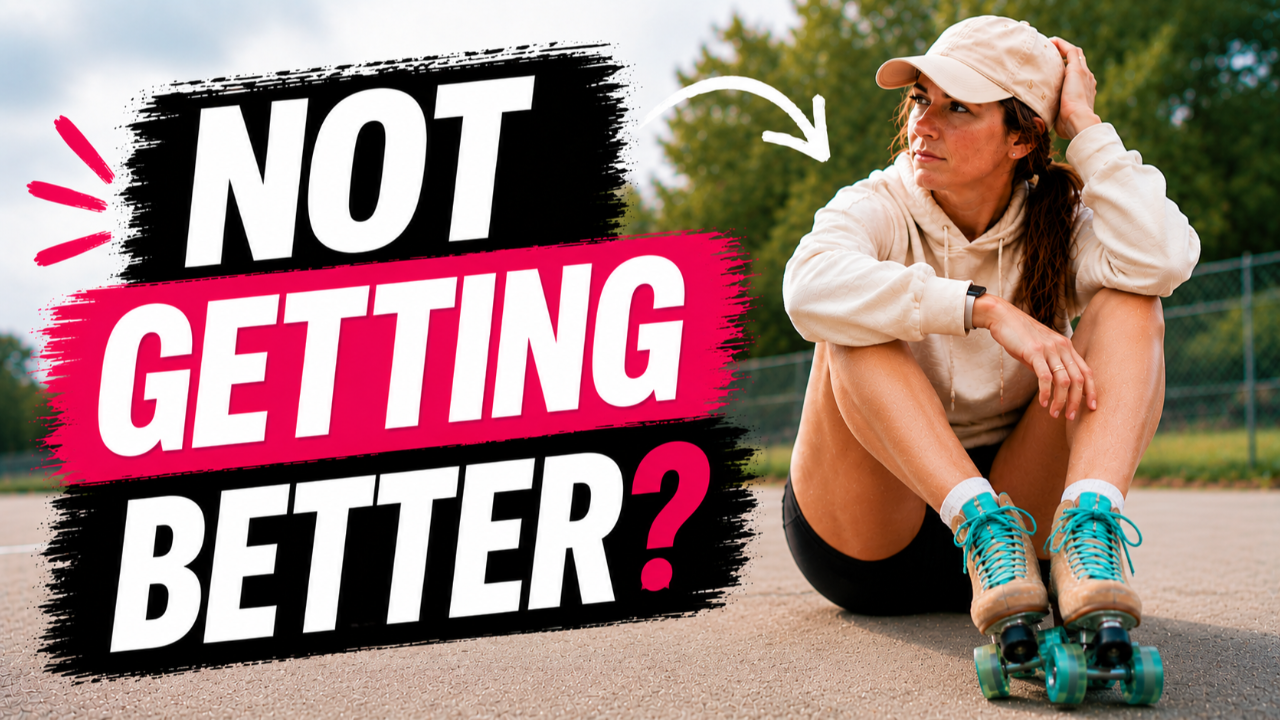
May 25, 2026Have you been practising roller skating but still feel wobbly, unsure, or like everyone else is improving faster than you?Maybe you've thought: "Why am I not getting better?" "Shouldn't I feel more confident by now?" or Am I just bad at skating?"
I want you to know something before we start:
I've never taught someone who couldn't learn to roller skate.
But I have taught a lot of adults who were overwhelmed, practising the wrong things, scared to fall, waiting to feel confident first, or giving up before progress clicked.
Most people don't get stuck because they need more practice. They get stuck because they're focusing on the wrong areas.
If learning to skate as an adult feels harder than you expected, one of these five mistakes might be the reason.
Key Takeaways
✔ Confidence comes after skill building, not before
✔ Short, regular practice often beats long sessions
✔ Balance issues usually come from posture and weight placement
✔ Foundations matter more than tricks
✔ Feeling awkward in the beginning is completely normal
✔ Most beginners stop right before skating starts feeling easier
Quick Answer: Why Am I Not Improving at Roller Skating?
Most beginner roller skaters struggle because they:
- Skip foundations and rush harder skills
- Lean backwards when scared or unstable
- Practise inconsistently
- Wait to feel confident before skating more
- Stop before fundamentals become natural
Progress usually comes from repetition, foundations and patience rather than talent.
Mistake #1: Practising Random Skills Instead of Foundations
One of the biggest mistakes I see is beginners trying to learn more skills instead of improving basic skills first.
I hear things like:
"I've been skating twice and now I'm trying backwards skating…"
or
"Why can't I do spins?"
And I get it. The fun skills look exciting. But skating works a bit like building a house. If the foundations aren't stable, everything on top becomes harder.
Beginner roller skating foundations include:
• Rolling forward confidently
• Stopping safely
• Turning
• Balance
• Weight shifting
• Posture
• Edges
• Small one-foot glides
Everything grows from those basics.
Progress rarely comes from learning more. Progress comes from improving the right things.
A better question than "What trick should I learn next?" is:
"What foundation do I need to feel more confident doing?"
That shift alone changes how many adults improve.
If you're new, spend more time practising stopping, turning, balance, posture and shifting weight… and less time chasing tricks.
If you're unsure which beginner skills matter most, improving stopping and balance first can make skating feel easier much faster. You might also like:
→ How To Stop on Roller Skates for Beginners: 5 Easy Ways That Actually Work
Mistake #2: Leaning Back When You Feel Wobbly
This might be one of the most common beginner habits.
You feel unstable, so your body does what feels safest: you lean backwards.
Unfortunately, that often causes less control and more falls.
When adults feel nervous, the body naturally wants to pull away from danger. That's normal. But skating rewards soft knees, relaxed posture, weight centred over skates and slight forward positioning.
Not stiff legs. Not leaning back.
I say some version of "Soft knees… centre your weight" about a hundred times a week in classes 😅 because posture changes everything.
Sometimes people don't need more courage. They need a tiny adjustment in body position.
Still feeling unstable? This is one of the biggest struggles I see in adult beginners and it often comes down to weight placement rather than confidence:
→ Why You Keep Losing Balance on Roller Skates (And How To Fix It)
Coaching observation:
Many beginners assume: "I need more confidence."
When often they actually need: Better posture.
Mistake #3: Making Practice Too Long (Or Too Rare)
A common belief is:
"I need two free hours."
"I need a huge smooth space."
"I need motivation first."
You don't.
Some of the biggest improvements happen from 10 minutes after work, 15 minutes in the garage, practising one skill repeatedly, or several short sessions each week.
Your brain learns movement through repetition. Small practice adds up.
Beginner practice recommendation:
Session length: 15–20 mins
Frequency: 2–3 times weekly
Focus: 1–2 skills only
Not two hours trying 15 different things.
Mistake #4: Waiting Until You Feel Confident
This might be the biggest mindset shift of all.
A lot of people think: "Once I feel confident… I'll skate more."
But confidence usually doesn't come first.
Confidence isn't the starting point. Confidence is the result.
Confidence grows from repetition, tiny wins, awkward sessions, learning foundations and proving to yourself you can do hard things.
Skaters who look natural now?
Most weren't confident in the beginning. I wasn't either. Y
ears of skating built that confidence.
Mistake #5: Quitting Before Fundamentals Click
This one makes me sad because I see it often.
Someone starts skating. It feels awkward. They feel stiff. Balance feels impossible.
They assume:
"Maybe skating just isn't for me."
But what usually happens is they stop right before things begin getting easier.
Eventually, you stop thinking about every tiny movement. Stopping feels easier. Balance improves. Your body starts trusting itself.
Skating becomes more automatic.
I'd hate for someone to mistake the awkward beginner phase for their actual ability.
Those are not the same thing.
Why Roller Skating Can Feel So Good Mentally
Students say this all the time:
"When I'm skating I stop thinking about everything else."
Work. Stress. Mental load. Life stuff.
For a little while, your brain becomes focused on movement. Many people experience something similar to a flow state, where attention becomes deeply absorbed in an activity.
Maybe that's partly why skating feels:
💛 freeing
💛 calming
💛 confidence building
💛 unexpectedly emotional
What To Practise This Week
If you've been feeling stuck:
Session 1:
Rolling, posture, stopping (15 mins)
Session 2:
Balance, turning, weight shifting (15 mins)
Session 3:
Repeat your weakest skill.
Do less.
Repeat more.
Prefer learning by watching? If you're short on time or unsure what to practise, this video walks through beginner skills and where to focus your effort so you stop guessing:
→ Watch: What To Practise on Roller Skates as a Beginner
Feeling Stuck? Start Here!
If this article felt a little too relatable, good.
Because it probably doesn't mean you need more motivation. You might just need clearer guidance on what to practise next.
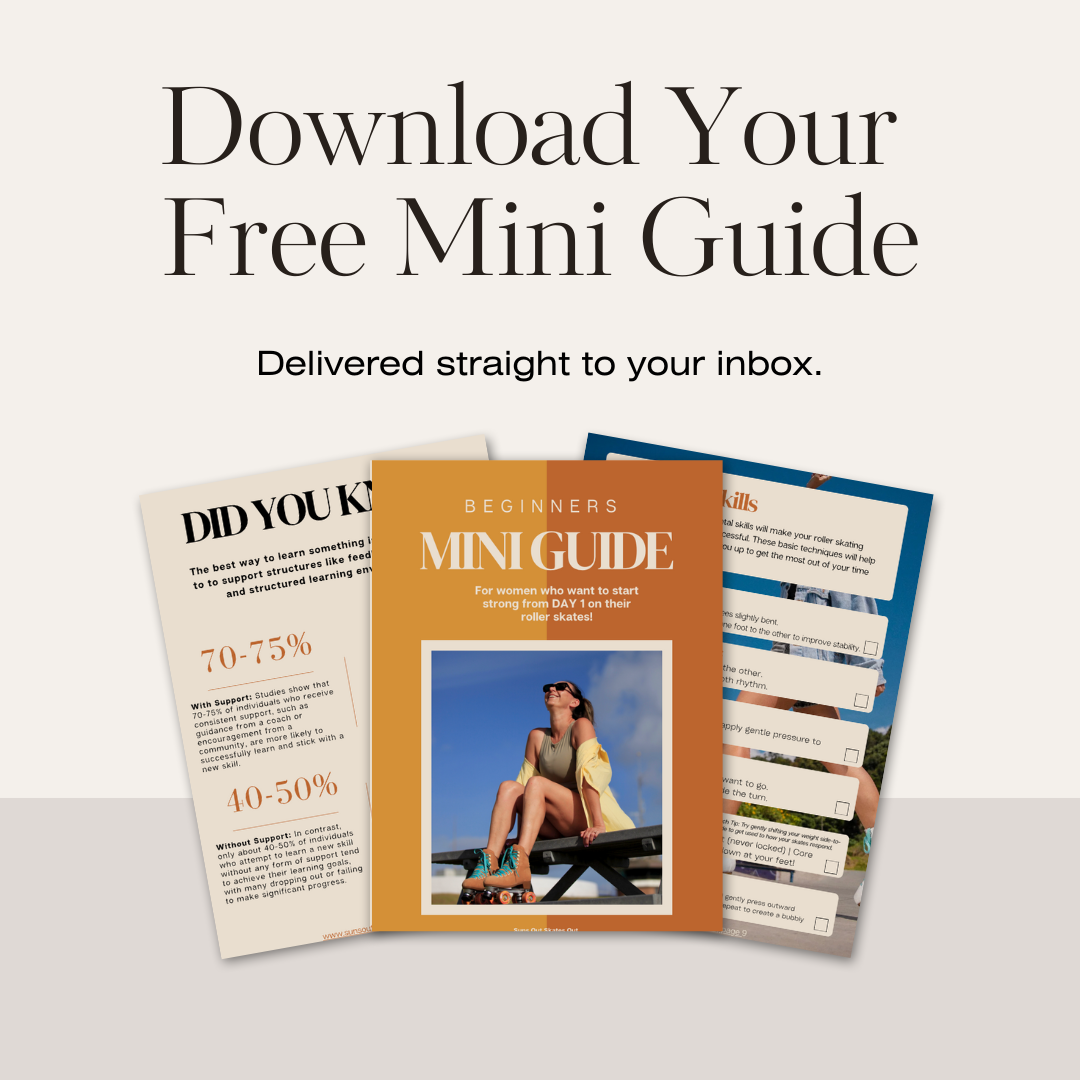
I created a FREE Beginner Learn to Skate Series for adults who feel overwhelmed, unsure where to start, or keep wondering if they're progressing properly.
Inside, I walk you through beginner skills step by step, so you stop guessing and start building confidence on skates.
→ Start the FREE Beginner Learn to Skate Series | CLICK HERE
And if later you'd like coaching, structure and support alongside other women learning to skate, that's exactly why I created the Roller Skate By Sunday Program.
Learning to skate as an adult shouldn't feel confusing or lonely. It should feel challenging, exciting… and eventually a little freeing too 💛
Want more beginner skating tips?
Join for new videos, articles and skating encouragement 💛
We hate SPAM. We will never sell your information, for any reason.